After years of rapid growth in the electric vehicle (EV) market, electrification is extending across the broader transportation sector. The charging infrastructure underpinning this transition is expanding alongside it. In May 2026, there were 72,493 public EV direct current (DC) Level 3 fast charging ports in the U.S., more than 320% higher than in January 2021, according to the Joint Office of Energy and Transportation.
Our EV infrastructure group has played an active role as this industry has developed, designing more than 20,000 charging stalls at over 3,000 EV Level 3 charging facilities in 47 states. In the early stages of the buildout, the priority was to deploy charging stations as quickly as possible, but with the market maturing quickly, developers are taking a more thoughtful—and measured—approach to new projects.
Prioritizing the Charging Experience
One example is a growing focus on how charging sites are designed. As public charging becomes more common and the network of sites grows, differentiation is increasingly important. This is driving a trend that prioritizes the user experience. Newer developments can include canopies, amenity buildings, restrooms, and other conveniences.
Retailers are also integrating charging as a customer amenity, allowing drivers to plug in while they shop or run errands. While standalone charging stations can still make sense, more projects are moving toward larger, multi-port hubs that may include integrated solar and battery energy storage.
We are seeing this trend firsthand both as a nationwide program manager for a national EV charging network company and through our work supporting owner-operated projects that typically range from 10 to 24 chargers per site.
Interconnection Challenges
In addition to a more competitive market, shifts in funding and project support in recent years have tightened the economics for new EV charging projects, effectively narrowing the field of active developers. Those that remain are placing greater emphasis on due diligence, with utility interconnection often playing a central part of the development process.
Companies typically assess project feasibility using a cost-per-charger metric, which can vary based on the state, the utility, and whether incentives and grants apply. The cost of a new power service is a driving factor in the evaluation of a potential site location. Projects may also face delays as utilities evaluate grid capacity and determine service infrastructure requirements. Supply chain constraints can further extend timelines by delaying transformers and other critical equipment.
For these reasons, utility coordination is essential to successfully deploying EV charging infrastructure. Early engagement can help developers determine site-specific challenges, identify costs, understand delivery timelines, and better evaluate site viability.
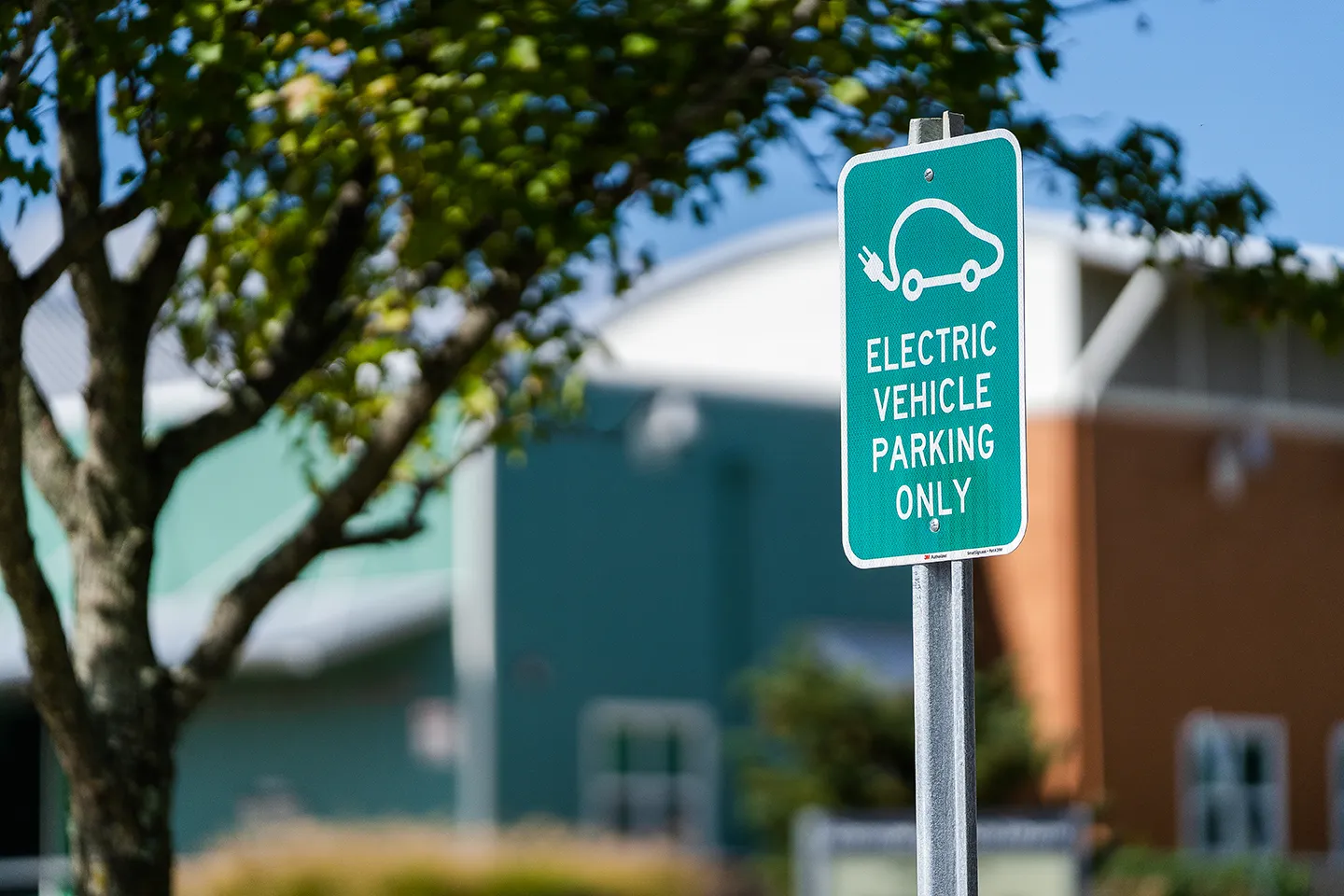 Long-term scaling of different technology will help stabilize energy grids, lower household utility costs, and encourage renewable energy adoption.
New Energy Models
An exciting opportunity emerging in this industry relates to bidirectional charging, where stored energy can flow from vehicles back to the grid (V2G), a home (V2H), or another vehicle (V2V), allowing EVs to function as mobile energy resources.
Stored energy can provide backup power and may also be used during periods of peak demand to help reduce electricity costs. Where utility programs apply, V2G can support grid reliability while creating incentives or revenue opportunities for vehicle owners. We are already seeing this model in action through our work supporting school bus electrification, where buses can charge at night when electricity prices are lower and return power to the grid when they are parked and demand is high. As the technology improves, these types of opportunities are expected to become more common. Long term scaling of this technology will help stabilize energy grids, lower household utility costs, and encourage renewable energy adoption.